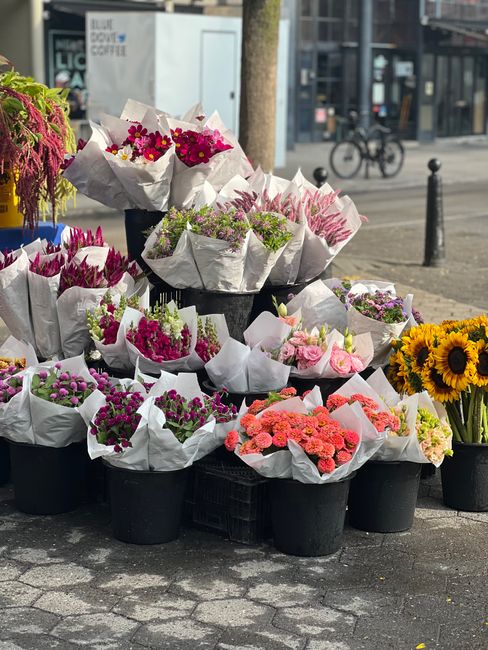
Earlsfield council rules for pavement flower stalls explained
Posted on 15/09/2026
If you are setting up a pavement flower stall in Earlsfield, the rules can feel a bit fussier than the flowers themselves. One minute you are thinking about buckets, blooms, and whether peonies are worth the cost; the next you are wondering about licences, pavement width, obstruction risk, and who actually has to say yes. That is exactly why this guide to Earlsfield council rules for pavement flower stalls explained matters. It cuts through the noise and gives you the practical picture: what these rules are trying to protect, how the process usually works, where people go wrong, and what to do before you put a single stem on the pavement.
Truth be told, most problems with flower stalls do not start with the flowers. They start with positioning, permissions, and assumptions. So let's make it simple, useful, and local enough to be relevant to real life on a busy Earlsfield street.
Table of Contents
- Why Earlsfield council rules for pavement flower stalls explained Matters
- How Earlsfield council rules for pavement flower stalls explained Works
- Key Benefits and Practical Advantages
- Who This Is For and When It Makes Sense
- Step-by-Step Guidance
- Expert Tips for Better Results
- Common Mistakes to Avoid
- Tools, Resources and Recommendations
- Law, Compliance, Standards, or Best Practice
- Options, Methods, or Comparison Table
- Case Study or Real-World Example
- Practical Checklist
- Conclusion
- Frequently Asked Questions
Why Earlsfield council rules for pavement flower stalls explained Matters
Pavement flower stalls can look effortless from the outside. A neat display outside a shop, a few buckets of seasonal blooms, maybe a chalkboard sign leaning just so. But on a shared pavement, even a small display can affect pedestrians, wheelchair users, parents with buggies, people carrying bags, and customers trying not to step into the road. That is the heart of the matter.
Rules exist because pavements are public space, not private frontage. In Earlsfield, as in most London areas, the council will be concerned with safe passage, visibility, access to nearby premises, and whether the stall creates clutter or danger. If your setup is too wide, poorly placed, or left out when it should not be, the issues can build quickly. And yes, the flowers might still be lovely. That does not make the layout compliant.
There is also a business reason to care. A stall that sits comfortably within the rules is easier to run, easier to manage, and far less likely to attract complaints. A good setup tends to feel calmer, too. You will notice customers move more easily, staff are less anxious about being in the way, and deliveries become less of a shuffle. Small thing? Maybe. But in a busy neighbourhood, those small things matter.
Expert summary: The safest approach is to treat pavement flower stalls as a public-space operation first and a merchandising display second. If access, visibility, and permission are not right, the prettiness of the stall will not save it.
How Earlsfield council rules for pavement flower stalls explained Works
At a practical level, a pavement flower stall usually needs to fit within a permission framework that covers where it can sit, how much space it can take up, when it can be operated, and what conditions apply to the business using it. The exact permission route depends on the land, the location, and the council's current process, which can change over time. So rather than assuming there is one universal answer, think in layers.
1) Check whether the pavement can safely accommodate the stall
The first question is not "how many flowers can we fit?" It is "how much clear walking space remains?" Councils generally want enough unobstructed pavement width for safe pedestrian movement. That includes people walking side by side, anyone using mobility aids, and the natural flow that happens at busy times like school run mornings or Friday afternoons.
If the pavement already feels tight, adding a stall may not be realistic. Narrow footways, street furniture, lamp posts, bins, tree pits, and busier junctions can all reduce usable space. On some streets, a stall that looks harmless in the morning can feel awkward by lunchtime once footfall picks up. Funny how that works.
2) Determine whether permission or a licence is required
Many councils regulate items placed on the public highway, and a flower stall often falls into that category. Depending on the arrangement, you may need a specific licence, consent, or agreement before placing anything on the pavement. In some cases, the display may be treated as a temporary obstruction; in others, it may be part of a trading arrangement linked to the premises.
The important point is this: do not assume a stall is allowed just because it is small or seasonal. A couple of buckets are still an obstruction if they block the route people use every day.
3) Show how the stall will stay tidy and controlled
Councils and land managers usually want reassurance that the stall will not sprawl, tip over, or create litter. Flowers drop petals. Water spills. Cardboard gets soggy. A wet pavement can become slippery at the worst possible moment. A sensible setup includes stable containers, a defined footprint, and a plan for waste and watering.
This is where good operators separate themselves from the rest. Not with fancy signage. With discipline. Clean edges, regular resets, and a display that stays where it should.
4) Respect operating times and seasonal variation
Flower stalls often change with the season. Mother's Day, Valentine's Day, summer weddings, and Christmas all create different demand. That is fine, but increased demand does not automatically mean increased tolerance for pavement clutter. Some councils allow certain temporary displays to be managed differently from permanent street trading, but you still need to stay inside the permission you have.
Seasonal peaks are exactly when it is easiest to get careless. The display gets bigger, the morning is busier, and suddenly the footway feels tighter than you expected. It happens.
5) Keep checking for updates or conditions
Even if you have had a setup in place for a while, the conditions may not stay static. Street works, changes in footfall, new nearby businesses, or updated council enforcement priorities can all change what is practical. A stall that worked last spring may need a rethink this year. That is not bureaucracy for its own sake; it is the reality of a living street environment.
Key Benefits and Practical Advantages
There is a common misconception that council rules are just red tape. To be fair, nobody gets excited about permissions paperwork. But in practice, the rules can help a flower stall run better. Here is why.
- Safer customer flow: A controlled footprint reduces the chance of people bumping into displays or stepping into the carriageway.
- Better presentation: A properly placed stall tends to look more professional and less crowded.
- Lower complaint risk: Neighbours and passing pedestrians are less likely to object when access remains clear.
- Smoother trading: Clear expectations make daily setup easier for staff.
- More confidence for the business: You are not constantly wondering whether today is the day somebody raises an issue.
There is also a less obvious benefit: a compliant stall can become part of the local streetscape in a positive way. People like a bit of colour on a grey London pavement. A neat flower display can soften the street, make a shopfront feel welcoming, and create an easy reason to stop. That matters in a place where people often walk with purpose.
If you are balancing display quality with access and safety, the rules can actually help you make better choices. They force clarity. And clarity is good for trade.
Who This Is For and When It Makes Sense
This guide is for anyone in or around Earlsfield who wants to place flowers on the pavement in a way that is practical, compliant, and commercially sensible. That could include:
- independent florists with a shopfront
- cafes or boutiques using flowers to attract attention
- seasonal traders testing a small setup
- existing businesses that want to expand onto the footway
- market-style operators working near high-footfall streets
It also makes sense if you are in the planning stage and want to avoid building a display around assumptions. Better to ask the right questions early than to discover, after a delivery has arrived, that the pavement does not actually support what you had in mind.
Let's face it, the worst time to find out you need permission is when you already have buckets of stock waiting in the van. Not ideal. Not at all.
When it is worth being extra cautious
You should slow down and double-check the rules if the stall will be:
- close to a junction, crossing, bus stop, or narrow pinch point
- used during peak footfall periods
- larger than a very modest frontage display
- combined with signs, boards, or other street furniture
- placed near access points for nearby residents or businesses
In those cases, a small misjudgment can become a real obstruction. And once the layout annoys one person, word tends to travel. Quietly, then all at once.
Step-by-Step Guidance
If you want a sensible route through the process, use this sequence. It is not glamorous, but it works.
Step 1: Measure the available space properly
Do not eyeball it from the pavement and call it done. Measure the width of the footway and note the fixed obstructions. Make sure you understand how much clear pedestrian space remains after the stall is in place. Include the real-world spread of buckets, stands, and any customer queuing space.
Take photos at different times of day if the street gets busier later. A calm early morning pavement can be misleading.
Step 2: Identify what the stall will include
Write down everything the stall will involve:
- flower buckets or crates
- display tables or stands
- signage
- water containers
- wrapping materials
- any queue markers or barriers
This list matters because a lot of "small stalls" are not actually small once you add the bits that make them functional.
Step 3: Check the relevant council permission route
Find out what kind of permission the council expects for pavement use in your situation. Depending on the setup, this may involve an application, a licence, or some other approval process. If the stall is attached to a business premises, the process may differ from a one-off trading arrangement.
If you are unsure, ask before placing stock outside. Not after. The order matters.
Step 4: Prepare a clean layout plan
A simple plan is often enough if it is clear. Show where the stall will sit, how people will pass, and where any obstacles already exist. Include dimensions if you can. You are trying to answer one question for the council or enforcing body: does this leave the pavement safe and usable?
Step 5: Build in maintenance routines
Think beyond the first hour. Who will sweep petals? Who will remove damaged stock? Who checks that water has not spilled? Who brings the stall in at the end of the day? This is where good habits save time. A stall that looks fresh at 9 a.m. can become scruffy by 3 p.m. if nobody is keeping an eye on it.
Step 6: Keep records and revisit the setup
Keep a note of what was agreed, when the stall was installed, and any changes made later. If the layout changes, update the plan. If the season changes, review the footprint. A little record-keeping goes a long way when questions come up later.
Expert Tips for Better Results
In our experience, the best pavement flower stalls look almost effortless because the planning behind them is anything but. A few practical tips make a big difference.
- Keep the footprint tight: Small, well-contained displays usually work better than ambitious ones that creep across the pavement.
- Use stable containers: Lightweight buckets can move around in wind or get nudged by passing traffic.
- Leave visual breathing room: A crowded display feels less welcoming, even if it technically fits.
- Think in pedestrian lines, not just square metres: People rarely walk in perfect straight lines, especially when avoiding puddles.
- Rotate stock carefully: Fresh flowers near eye level and heavier items lower down often look better and stay safer.
- Inspect after setup and again later in the day: Pavement conditions change. One loose crate can change the whole impression.
A good rule of thumb: if you have to keep apologising to people as they pass, the stall is probably too intrusive. That sounds obvious, but you would be surprised how often it happens.
Also, do not forget weather. A breezy morning in Earlsfield can turn a neat display into a slightly chaotic one very quickly. A bit of rain, a gust of wind, or a delivery van squeezing past can all shift things around. Better to plan for the awkward bits than pretend they will not happen.
Common Mistakes to Avoid
Most flower stall issues are not dramatic. They are just preventable. Which is almost more annoying, frankly.
- Assuming small means allowed: Even a modest display can still need permission.
- Blocking the natural walking line: People should not have to weave around stock like it is an obstacle course.
- Ignoring nearby access points: Doorways, ramps, and crossings need extra care.
- Using unstable or messy containers: Leaks, spills, and toppled buckets make the stall look careless.
- Forgetting about peak times: A stall that is fine at 8 a.m. may become a nuisance at 5 p.m.
- Overloading with signage: Too many signs can turn a flower display into a street-clutter problem.
- Not updating the layout after changes: New stock, new frontage, or new fixtures can quietly change compliance.
One common trap is the "temporary for today" mindset. A display goes out for one morning, then it becomes permanent by habit. Before long, nobody remembers which way round the buckets were meant to sit. That is usually when problems start.
Tools, Resources and Recommendations
You do not need expensive kit to manage a pavement flower stall well, but a few practical tools help enormously.
Helpful tools
- Tape measure or laser measure: for checking the footway footprint properly
- Simple site plan: even a hand-drawn sketch can be useful if it is neat and labelled
- Weather-resistant containers: useful for keeping displays stable and tidy
- Cleaning supplies: cloths, mop, bucket, brush, and waste bags
- Basic photo record: to document the layout before and after setup
Practical resources to keep in-house
- a written setup checklist
- a short daily inspection routine
- a maintenance log for spills, stock rotation, and placement changes
- a contact list for whoever handles permissions or building management
If your business already has a wider operating system, it helps to keep everything joined up. For example, if you manage stock, staff rotas, and customer enquiries elsewhere, then your pavement display should not be handled like an afterthought. One tidy process is better than three half-finished ones.
You may also find it useful to review broader premises guidance if your stall is linked to a storefront or trading site. For example, a page such as Cleaner's main website can give a sense of the wider operational standards a business may apply across its premises and public-facing areas, even when the exact subject differs. Use that kind of reference only as a starting point for thinking about quality and care, not as a substitute for local permission checks.
Law, Compliance, Standards, or Best Practice
Because pavement flower stalls sit on or beside public access routes, compliance is the main thing that keeps the whole setup on solid ground. The exact legal position depends on location, land ownership, highway status, and the council's current rules, so it is wise to treat every case carefully rather than assuming a generic answer.
In broad terms, the issues usually include:
- Highway obstruction: anything placed on the pavement must not create an unnecessary obstruction or danger.
- Pedestrian accessibility: the route should remain usable for people of different mobility needs.
- Licence or consent conditions: if permission is granted, the stall must follow the conditions attached to it.
- Health and safety practice: wet floors, unstable displays, trip hazards, and sharp packaging edges all matter.
- Neighbour and frontage considerations: nearby businesses and residents may be affected by clutter, noise, or blocked access.
Best practice is simple, even if the paperwork is not:
- get the permission route clear before trading
- keep the footprint as small as commercially workable
- leave pedestrian access obvious and uninterrupted
- maintain the display regularly
- review the setup after any complaint, incident, or seasonal change
There is no magic trick here. Compliance is mostly about respect for shared space, a bit of discipline, and a willingness to adjust. Not glamorous, but very effective.
Options, Methods, or Comparison Table
If you are deciding how to present flowers outside a premises, it helps to compare the common approaches. What works for a small artisan florist will not always suit a busy shopfront or a cafe with limited pavement width.
| Option | Best for | Typical strengths | Main risks |
|---|---|---|---|
| Compact pavement flower stall | Small frontage, limited stock, modest footfall | Simple, attractive, relatively easy to manage | Can still obstruct if placed badly |
| Frontage display near the entrance | Businesses wanting a welcoming shopfront without a big footprint | Less intrusive, easier to keep tidy | May have lower visibility from a distance |
| Larger street-facing display | Sites with more space and stronger permissions | High visual impact, strong presence | Greater compliance and access risk |
| Temporary seasonal setup | Peak trading periods or special occasions | Flexible, useful for demand spikes | Easy to overdo; timing and layout must be controlled |
If you are unsure which option fits, start with the smallest version that still works commercially. It is easier to scale a tidy stall up than to rescue a sprawling one later. Honestly, that tends to be the smarter play.
Case Study or Real-World Example
Picture a small florist near a busy Earlsfield street. In the morning, the owner wants a simple pavement display: a couple of buckets of tulips, a low crate of seasonal bouquets, and a small sign by the doorway. The idea is good. The first draft, though, is a bit optimistic. Buckets are placed too far out, the sign sits where it narrows the route, and the watering tray leaves a damp patch that makes passers-by sidestep.
After a quick rethink, the owner tightens the layout. The display moves closer to the frontage, the sign is reduced, the damp tray is removed, and the containers are grouped so pedestrians have a clearer path. The stall still looks inviting. In fact, it looks better. Customers can see the flowers without feeling pushed around the pavement. Nobody has to mutter "excuse me" five times just to get past.
That is the real lesson. Most pavement flower stalls do not fail because they are too ambitious in style. They fail because the practical details are left until the end. If you flip that habit and start with access, you usually get a better result all round.
Practical Checklist
Use this before setting up or reviewing a pavement flower stall in Earlsfield:
- Have you checked the latest local permission route for pavement use?
- Does the stall leave a clear and safe pedestrian route?
- Have you measured the full footprint, including signs and containers?
- Are the buckets, stands, and any displays stable and weather-resistant?
- Is the stall free from spill risks, loose packaging, and trip hazards?
- Have you considered peak footfall times and nearby access points?
- Is there a plan for cleaning, maintenance, and end-of-day removal?
- Do staff know exactly where the display should sit?
- Have you reviewed whether the setup changes with the season?
- Is there a record of the layout and any permission conditions?
If you can tick most of those off without hesitation, you are probably on the right track. If not, pause and sort the weak spots first. It saves headaches later.
Conclusion
Earlsfield council rules for pavement flower stalls explained in plain English come down to a simple balance: make the street look good without taking over the street. If you respect access, keep the display tidy, and check the permission route before trading, you give yourself a much better chance of running a stall that is both attractive and compliant.
The best setups are rarely the biggest ones. They are the calm, well-judged ones that fit the street they are in. That is especially true in a place like Earlsfield, where footfall, frontage, and local rhythm all matter. Get those basics right and the flowers can do the rest.
Get a free quote today and see how much you can save.
And if you are still weighing up the details, that is completely fine. A thoughtful setup now is worth far more than a rushed one later.
Frequently Asked Questions
Do I need permission for a pavement flower stall in Earlsfield?
In many cases, yes, because anything placed on the public pavement may be treated as a highway or street-use matter. The exact permission depends on the site and the council's current process, so it is best to check before setting anything out.
How much pavement space should a flower stall leave clear?
There is no safe one-size-fits-all answer, because the usable width depends on the specific street, nearby obstructions, and foot traffic. The practical rule is that pedestrians should be able to pass comfortably without stepping into the road or weaving awkwardly around the stall.
Can a small bucket display count as a stall?
Yes, it can. Small does not automatically mean exempt. A few buckets can still create an obstruction if they sit in the wrong place or reduce safe access.
Is a temporary flower stall easier to approve than a permanent one?
Often, temporary setups are viewed differently from ongoing displays, but that does not mean they are automatically allowed. Temporary does not erase the need to respect pavement safety and any required permissions.
What are the biggest risks with pavement flower stalls?
The main risks are blocking pedestrians, creating trip hazards, spilling water, placing stock too close to the kerb, and ignoring access needs for wheelchair users, buggies, or nearby premises.
Do I need a written layout plan?
It is not always compulsory, but it is very helpful. A simple plan makes it easier to show the stall footprint, walking space, and any fixed obstacles. It also helps staff keep the setup consistent.
What should I do if the stall gets complaints?
Act quickly. Review the layout, check whether anything is blocking access, and adjust the setup if needed. Complaints often point to a real issue, even if the display looks fine from the seller's point of view.
Are signs allowed with a pavement flower stall?
They may be, but signs can become part of the obstruction if they are too large, badly placed, or added without care. Keep signage modest and make sure it does not make the pavement feel narrower.
How often should I review the stall setup?
At minimum, review it whenever the season changes, footfall changes, stock changes, or the council conditions change. Even a good layout can drift over time if nobody keeps an eye on it.
What is the best way to keep the stall looking tidy all day?
Use stable containers, rotate stock, remove damaged flowers promptly, and check for water spills or loose wrapping materials during the day. A neat stall is usually the result of small, repeated actions rather than one big reset.
Can a pavement flower stall help my shop attract more customers?
Yes, if it is well presented and does not make the frontage feel cramped. A tidy display can draw attention and make the shop feel welcoming, which is one reason so many traders invest time in getting the layout right.
What should I do first if I am planning a new stall?
Start by measuring the available space and checking the local permission route. That gives you the foundation for every other decision, from display size to stock placement and daily maintenance.